

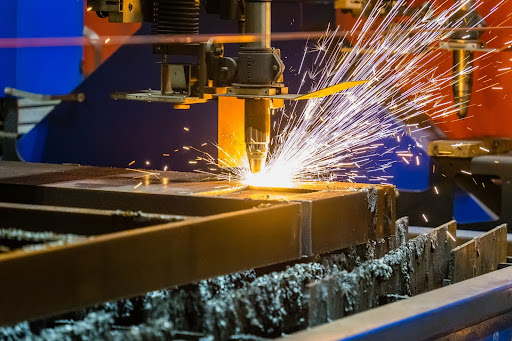
The need for lightweight, durable, and high-precision parts is currently booming in the electric vehicle, aerospace, and industrial automation sectors, among others. At the core of this development is aluminium machining that empowers manufacturers with the ability to make complex parts, which have very low deviation in size and are of consistent quality. Aluminium is one of the main materials for performance-oriented applications owing to its advantageous properties such as high strength-to-weight ratio, good corrosion resistance, and heat conductivity.
However, with the advancement of modern CNC technology, the capabilities of aluminium have been further improved. Technology has enabled us to make complex geometric shapes, have shorter manufacturing cycles, and obtain accurate results. CNC aluminium machining has been a critical solution to industries that prioritize safety, efficiency, and performance.
Why Aluminium is Ideal for High-Performance Industries
Aluminum possesses several properties that enable it to satisfy the most complex engineering requirements.
- Lightweight strength: Particularly, electric vehicles and aircraft components need this feature to be highly efficient and their performance capabilities to be boosted through the reduction of their weight.
- Corrosion resistance: This is required for the parts/components that are exposed to harsh environmental conditions.
- Thermal and electrical conductivity: This is a feature that has been demanded of battery cases, heat sinks, and electrical enclosures.
- Machinability: Makes it possible to get extremely accurate shapes with the least amount of material removal.
Due to these properties, aluminium alloys can be used for the manufacturing of load-bearing and functional elements in different industries.
Applications in Electric Vehicles
The EV industry will also continue to rely on the use of light materials, which are necessary for the maximization of battery efficiency and the range of the vehicles. CNC machining enables the production of:
- Battery cases and trays
- Motor housings
- Thermal management components
- Lightweight structural brackets
Accuracy is essential in EV technology. Any variation in dimensions can cause harm to the product itself or even become a danger. The latest aluminium machining technology can ensure accurate tolerance and smooth surface finish, thus ensuring the functionality and strength of the produced parts.
Aerospace: Precision Without Compromise
In aerospace manufacturing, every component must comply with the strict regulatory and performance standards. Aluminium alloys are widely used for:
- Structural airframe parts
- Interior cabin components
- Mounting brackets and supports
- Custom aerospace fittings
CNC machining enables multi-axis machining, axis machining allowing the creation of complex shapes, and yet it is still very accurate. It also goes through quality checking, surface finishing, and strictly adheres to the international standards. High-speed machining and the latest tooling technologies are contributing towards reducing the material stress, so the integrity of aerospace-grade aluminum is not affected.
Automation and Industrial Machinery
Industrial automation systems necessitate components that are reliable and reproducible. Aluminium parts are prevalent in:
- Manufacturing of robotic arms and fixtures
- Control panel housings
- Conveyor system components
- Custom machine parts.
Precision machining makes sure that the moving parts are perfectly aligned and therefore they operate efficiently. Surface finishing operations like anodizing or powder coating can also contribute to enhanced durability and a good look of the products.
Advanced CNC facilities may enable companies to combine design assistance, prototyping, and manufacturing in one place. For example, Gemsons, in their final report on the manufacturing excellence concept, emphasize the necessity of integrating machining and quality control systems to serve the changing demands of the industry.
Key Considerations in CNC Aluminium Manufacturing
Various things that impact the results must be properly controlled if the highest quality output is to be produced:
- Choosing the proper grade of aluminium
- Correct tooling and cutting speeds
- Heat control during the machining process
- Surface finishing requirements
- Strict inspection and testing procedures
These points of focus ensure that the end product will not only satisfy the functional requirements but also comply with the standards.
Engineering the Future with Precision Aluminium
The changing demands of the market require the production of high-quality, low-weight, and precision components. Highly precise aluminium machining is one of the necessary tools to realise innovations in such fields as electric mobility, aerospace, and smart automation systems.
The development of services such as CNC machining, precision engineering, custom aluminium parts manufacturing, aerospace components manufacturing, and EV components manufacturing is being utilized as the driving force for continuous improvement. The key emphasis is on improving efficiency, reliability, and maximizing material performance. The application of technical know-how combined with advanced CNC technology will define the future of aluminium-based industrial solutions.