

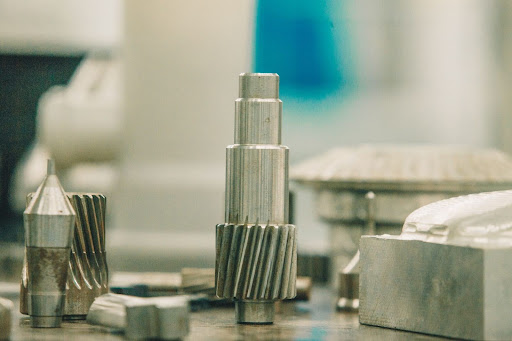
In the high-stakes world of power generation and energy infrastructure, every component must deliver exceptional reliability and precision. Yet among them, machined shafts really matter. Round pieces like this carry spin force, move rotation, and hold up working gears inside turbines or generators, machines that can’t afford breakdowns. Their quality directly impacts the efficiency, safety, and longevity of power plant systems.
The Backbone of Rotating Equipment
Rotating systems, such as turbines and generators, these parts help transfer motion, keeping things running smoothly while handling stress from constant movement.
- Torque Transmission: Shafts transfer mechanical power from the prime mover (like a steam or gas turbine) to the generator or load, converting energy into usable electrical power.
- Rotational Stability: To maintain balance at high speeds, shafts must meet tight tolerances in precise smoothness, alignment, and shape accuracy.
- Support & Alignment: Shafts act as the structural backbone, aligning rotor discs or impellers, ensuring smooth spinning, and minimizing vibration.
- Load Handling: They are designed to withstand radial, axial, and bending loads, often under severe operational stresses.
If a shaft breaks due to wear, being off-center, or uneven weight, it might cause total failure, unexpected stoppages, and costly repairs.
Why Precision Machining Matters
Producing shafts for power and energy applications demands more than generic manufacturing. Precision machining ensures:
- Tight Tolerances: Even micro-level deviations can disrupt balance and reduce efficiency. High-precision CNC processes help maintain consistency across components.
- Material Versatility: Power systems often require exotic alloys (like Inconel or duplex stainless steel) to resist wear, corrosion, or high temperature; a capable machining partner can handle such materials.
- Surface Integrity: Smooth finishes reduce friction and fatigue risk, improving performance and lifespan.
- Scalable Production: For both prototyping and mass production, the right machining infrastructure ensures reliability across volumes.
Gemsons’ Role: Delivering Critical Shaft Components
Gemsons Precision Engineering is known for making vital spinning components used in power and energy. With decades of expertise, their facility features over 190 CNC machines. These include advanced milling systems that include 5-axis mills, multi-axis turn-mill machines, ultra-precision turning tools, and deep gun-drilling setups.
Some key strengths that make Gemsons a go-to partner:
- Ultra-Precision Machining: They can maintain tolerances down to 3 microns, essential for fast-spinning shafts or extended spindles.
- Long Shafts Capability: Their infrastructure supports shafts up to 2000 mm in length, which works well for things like generator or turbine rotors.
- Wide Material Range: From stainless steel and alloy steels to titanium, Inconel, and Hastelloy, their machining spans many challenging materials.
- Quality Assurance: Certified to ISO 9001 and AS-9100 standards, their processes include rigorous inspection, statistical process control, and lean manufacturing.
Service Matrix:
- CNC turning, 5-axis milling, and turn-mill machining
- Gun drilling for long, narrow bores
- Additional services like EDM wire cutting, TIG welding, and assembly
- Coatings and surface treatments, including hardening and plating.
These features help Gemsons deliver top-grade shafts used in power gear like those in generator rotors or turbine spindles, as well as pieces for electric machines.
The Impact of Well-Manufactured Shafts
Well-built shafts, when fitted just right, boost performance; this means smoother operation. That leads to less wear over time while improving efficiency across the board. Machines respond better because energy transfers more directly without unnecessary errors along the way
- Faster performance: improved stability plus less friction cut down on wasted power and shaking.
- Fewer breakdowns: Top-grade shafts resist flaws better, so repairs happen less often.
- Safety: Strong, precisely made shafts lower chances of breaking when pushed hard, since they’re built to last through tough jobs.
- Cost Savings: While precision manufacturing is an investment, it saves money over the lifecycle through lower maintenance, fewer failures, and longer part lifetimes.
A Strategic Advantage for Energy Equipment
Strong shafts keep power systems running; their design, material, and manufacturing directly influence performance. Teaming up with a skilled engineering specialist helps firms and organizations ensure these critical components support optimal operation throughout the equipment’s life.
Why Machined Shafts by Experts Matter
When you source from a specialist like Gemsons, you’re not just getting a mechanical part; you’re gaining a component crafted with decades of domain expertise, rigorous quality control, and advanced CNC capabilities, all aligned to the demanding needs of power generation and energy infrastructure.
Future-Ready Foundation for Power Systems
In the future, as power needs shift, with growing demands for grid resilience, renewable integration, and high-efficiency turbines, the importance of precision-engineered components will only grow. Investing in machined shafts that are produced now means energy systems run smoother and last longer while staying strong down the road.