
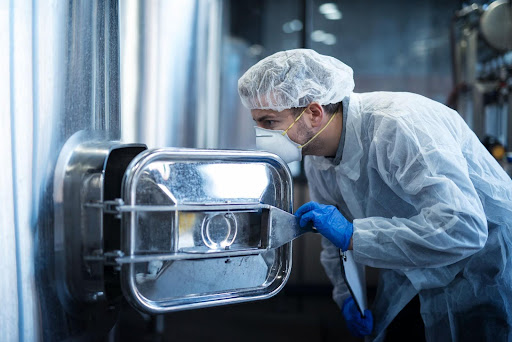
However, in today’s manufacturing environment, while tolerances and flawless finish are critical, another aspect of the manufacturing process cannot be overlooked. Once the parts are machined, there are often residue levels of coolants, metal chips, oils, and other microscopic impurities. Cleaning of parts after machining is critical to the integrity and performance of precision machining parts. In fact, if the parts are not precisely cleaned after machining, even if they are precisely made, they would not function according to the desired level of performance.
Why Cleaning Matters After Machining
When parts are machined, such as those machined using CNC milling, turning, grinding, and various other machining techniques, impurities remain in residue form. These impurities have a potential impact on the performance of the parts in the final application of the parts. Even in aerospace, automotive, and medical device industries, impurities in residue form can cause performance issues in the final application of the parts.
A well-designed cleaning process can benefit in the following ways:
- Prevention of corrosion and degradation of the surface
- Better adhesion of applied coatings or plating
- Enhanced performance of the parts or components
- Compliance with critical industry quality requirements
Common Contaminants Found on Components
Machined parts can be accompanied by different types of contaminants, both visible and invisible. These include:
- Cutting fluids and coolants
- Metal shavings and burrs from machining operations
- Dust and airborne particulate matter
- Oils and greases from machinery and equipment
To remove these contaminants, different types of cleaning methods can be adopted.
Popular Post-Machining Cleaning Methods
Different cleaning methods can be used for different kinds of parts or components based on their kinds and requirements. Some of the commonly used cleaning methods for precision cleaning of components include:
Aqueous Cleaning
This type of cleaning is done using water-based solutions containing detergents for cleaning components from oil and impurities. This is an eco-friendly cleaning method and can be used on a large scale.
Ultrasonic Cleaning
This type of cleaning is done using ultrasonic sound waves for cleaning components by creating microscopic bubbles for cleaning.
Solvent Cleaning
This type of cleaning is effective for cleaning components from heavy oil and grease. It is used when aqueous cleaning is not effective.
High-Pressure Spray Cleaning
This type of precision cleaning makes use of high-pressure cleaning for effective cleaning of components from impurities and particles on their surfaces.
All of these precision cleaning methods can be used for precision cleaning based on the precision machining parts and their requirements for cleaning.
Process Control and Quality Checks
Cleaning of precision parts is not only done for cleaning; it is also done for maintaining standards of repetition and consistency. A controlled precision cleaning process requires:
- Monitoring solution concentration and temperature
- Regular filtration and replacement of cleaning fluids
- Inspection using visual and microscopic techniques
- Drying methods that prevent water spots or oxidation
Following these standards will guarantee that the components have both functional and aesthetic requirements.
Material-Specific Considerations
Materials have different levels of tolerance to cleaning processes. For example:
- Aluminum: Gentle cleaning process to avoid damage to the surface
- Stainless steel: Passivation treatment after cleaning
- Plastic: Non-abrasive chemical treatment to avoid deformation
Correctly identifying the cleaning process ensures that it improves, rather than compromises, the quality of a given component.
Where Cleanliness Meets Performance
Post-machining cleaning is a vital process that greatly impacts the dependability of a finished product and customer satisfaction. From particle removal to preparing a part for subsequent processes, every process requires maximum care.
With the incorporation of advanced techniques such as CNC machining services, metal finishing services, industrial component cleaning, surface treatment processes, and precision engineering solutions into a streamlined workflow, manufacturers can attain superior results. During this stage, the focus of manufacturers like Gemsons shifts from just manufacturing precision machining parts to manufacturing industry-ready parts. Cleanliness, quality, and performance all come together with expertise and processes for the finished products.