
Accuracy, repeatability, and speed have become today’s essentials in the manufacturing world. To achieve such results, CNC metal machining has been a very effective tool, where computer-driven machines are used to shape metal parts with high precision. The main difference between CNC and manual machining is that the former system runs on a set of programmed instructions, ensuring a certain level of quality in highly complex parts. Industrial sectors that depend on very close tolerances and performance that they can rely on have built their base on this technology, ranging from heavy engineering to high-tech electronics.
How the Machining Process Works
Before any machine starts the actual cutting, the CNC machining workflow process is running at full speed. First, the engineers make a drawing through CAD software and then transform it into a language that a machine can understand (G-code). This code helps in positioning the cutting tools and turning the workpiece.
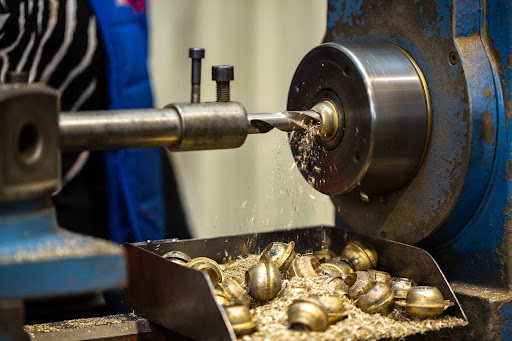
At one stage of this process, CNC metal machining is remarkable for its capability of producing complicated shapes while not losing size accuracy. Milling, turning, and drilling are just some of the operations that nowadays CNC machines merge into one single arrangement. By doing so, they shorten the parts’ exposure to error, and the overall output, especially of big batch or complicated tasks, is improved.
Common Metals Used and Why They Matter
What kind of material is used will have a direct impact on how easy it is to work with the material, as well as how the final piece will perform. Metals differ in their behavior, such as how they can be cut, how much heat they generate, and how fast the tools wear out. Usually, the following materials are used for making parts:
- Aluminum: Being light, resistant to corrosion, and easy to work with, it is a perfect match for automobile and electronic components.
- Steel: It is famous for its strength and long life. It is highly utilized in industrial equipment and construction parts.
- Stainless Steel: Due to its corrosion resistance and hygienic properties, it is widely used in the medical industry and food handling.
- Brass and Copper Alloys: Known for their excellent electrical conductivity and their ability to be smoothly finished.
The selection of a metal is essentially an exercise in compromise between its mechanical properties, the cost involved, and the requirements of the final product.
Industrial Applications Across Sectors
CNC machining is used by almost all industries for a variety of reasons: it is quite flexible in handling both prototyping and large-scale production. In car manufacturing, CNC machining is used to ensure the highest precision whenever engines or transmission components are made. In aerospace, it is the key to achieving high-strength and lightweight parts with the exact dimensions. The manufacturers of industrial equipment depend on CNC machining to make the components, such as gears, shafts, and housings, that need to be very reliable. Even consumer products get improved through CNC processes, where both quality and a good finish are expected.
Where Precision Meets Practical Experience
The demand for industries to become smarter and their materials to be better utilized keeps pushing the limits of precision manufacturing. CNC metal machining remains central to this evolution as it is able to integrate digital control with skilled engineering insight. At Gemsons, we believe that our exposure over a long period to a very diverse range of machining challenges has made us realize that process discipline, material knowledge, and continuous improvement are the cornerstones of success. As the demand for precision machining, CNC machining services, metal fabrication, and industrial machining solutions continues to rise, it is the decision-making based on knowledge and the technical understanding that will be the main contributors to dependable manufacturing outcomes.